
In recent years, the critical role of medical oxygen in healthcare has received unprecedented attention, especially in light of global health challenges. The demand for high-quality medical oxygen has soared, prompting advancements in manufacturing processes and the development of specialized equipment. One notable player in this industry is Hangzhou Boxiang Gas Equipment Co., Ltd., a company renowned for its expertise in compressed air purification and gas generation technologies.
### The Importance of Medical Oxygen
Medical oxygen is an essential component in various healthcare settings, ranging from emergency medicine to chronic respiratory care. It supports patients suffering from conditions such as COVID-19, chronic obstructive pulmonary disease (COPD), pneumonia, and other critical illnesses. The purity, consistency, and availability of medical oxygen are vital to ensure patient safety and the effectiveness of treatment.
### Overview of the Medical Oxygen Manufacturing Process
The production of medical oxygen involves several precise steps designed to deliver oxygen with the highest purity levels, meeting stringent medical standards. The primary technologies employed in the industry include Pressure Swing Adsorption (PSA) and Vacuum Pressure Swing Adsorption (VPSA), supplemented by advanced air purification systems.
**1. Air Compression and Purification**
The process begins with the compression of ambient air. Ambient air typically contains approximately 21% oxygen, 78% nitrogen, and trace amounts of other gases. To extract medical-grade oxygen, impurities such as dust, oil, moisture, and hydrocarbons must be removed. This step is achieved using sophisticated air purification equipment which filters and dries the compressed air.
**2. Oxygen Generation via PSA/VPSA**
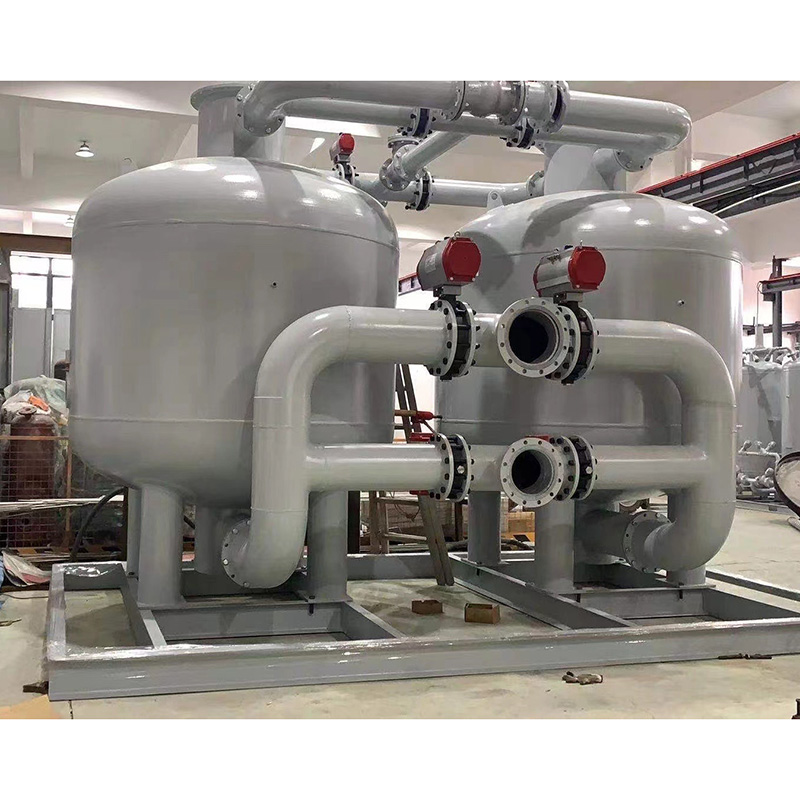
The heart of the manufacturing process lies in the separation of oxygen from other gases. PSA and VPSA technologies use adsorbent materials, commonly zeolites, that selectively adsorb nitrogen under specific pressure conditions. In PSA systems, air is passed through adsorption towers where nitrogen molecules adhere to the zeolite surfaces, while oxygen passes through as the product gas.
VPSA technology operates similarly but includes vacuum conditions that enhance adsorption efficiency, resulting in higher purity oxygen with lower energy consumption. Both technologies allow continuous oxygen production through alternating cycles of adsorption and desorption.
**3. Storage and Quality Control**
Once separated, the oxygen is stored in gas cylinders or cryogenic tanks, carefully monitored to maintain purity and prevent contamination. Continuous quality control ensures that the oxygen meets pharmacopeial standards (usually >93% purity). Additionally, medical oxygen production systems incorporate safety features to prevent leaks and contamination.
### Hangzhou Boxiang Gas Equipment Co., Ltd.: Innovating Gas Purification and Generation Solutions
Located amidst the scenic beauty of the Fuchun River, Hangzhou Boxiang Gas Equipment Co., Ltd. has emerged as a prominent manufacturer specializing in compressed air purification equipment and gas generation technologies. With a robust portfolio that includes PSA oxygen generators, VPSA oxygen generators, PSA nitrogen generators, and liquid nitrogen generators, the company has positioned itself as a leader in the industrial and medical gases market.
**Expertise and Product Range**
Boxiang’s expertise in compressed air purification is pivotal in supporting the entire oxygen generation process. Their advanced purification units efficiently remove contaminants, ensuring high-quality feed air for downstream oxygen separation.
The company’s PSA and VPSA oxygen generators are engineered to deliver reliable, continuous oxygen supply with excellent purity standards, catering to hospitals, clinics, and industrial sectors alike. Their PSA nitrogen and liquid nitrogen generators expand their reach into other critical gas markets, underscoring their commitment to comprehensive gas solutions.
**Commitment to Quality and Innovation**
Boxiang’s dedication to innovation is evident in their focus on optimizing energy efficiency and system reliability. Their oxygen generation systems are designed to be user-friendly, with modular configurations and automated control systems, facilitating easy operation and maintenance. By integrating cutting-edge materials and control technologies, they enhance product lifespan and performance consistency.
**Supporting Healthcare Infrastructure**
Especially during times of heightened medical demand, companies like Hangzhou Boxiang Gas Equipment Co., Ltd. play a crucial role in supporting healthcare infrastructure by offering scalable oxygen generation solutions. Their equipment enables hospitals to produce oxygen on-site, reducing dependence on external supply chains and improving responsiveness during emergencies.
### The Future of Medical Oxygen Production
With ongoing technological advancements, medical oxygen manufacturing is poised for significant improvements. Research into more efficient adsorbent materials, energy-saving system designs, and automation continues to accelerate. Additionally, integrating IoT and AI-powered monitoring can further enhance system reliability and safety.
The global trend toward localized oxygen production, particularly in developing regions with healthcare access challenges, highlights the need for compact, cost-effective, and efficient oxygen generators—a niche expertly served by companies like Hangzhou Boxiang Gas Equipment.
### Conclusion
As medical oxygen remains a cornerstone of patient care, the technologies and processes behind its production warrant continued attention and advancement. The collaborative efforts of industry leaders and manufacturers, exemplified by Hangzhou Boxiang Gas Equipment Co., Ltd., ensure the availability of high-quality oxygen to meet both current and future healthcare demands.
By leveraging modern air purification technology and innovative PSA/VPSA oxygen generation systems, the medical oxygen manufacturing process continues to evolve, bringing life-saving resources closer to patients worldwide. With such commitment and innovation, the future of medical oxygen production looks promising, stronger, and more accessible than ever before.